"Nervous system regulation" is everywhere online at the moment. The idea behind it is simple and useful, so here it is without the jargon.
What it means
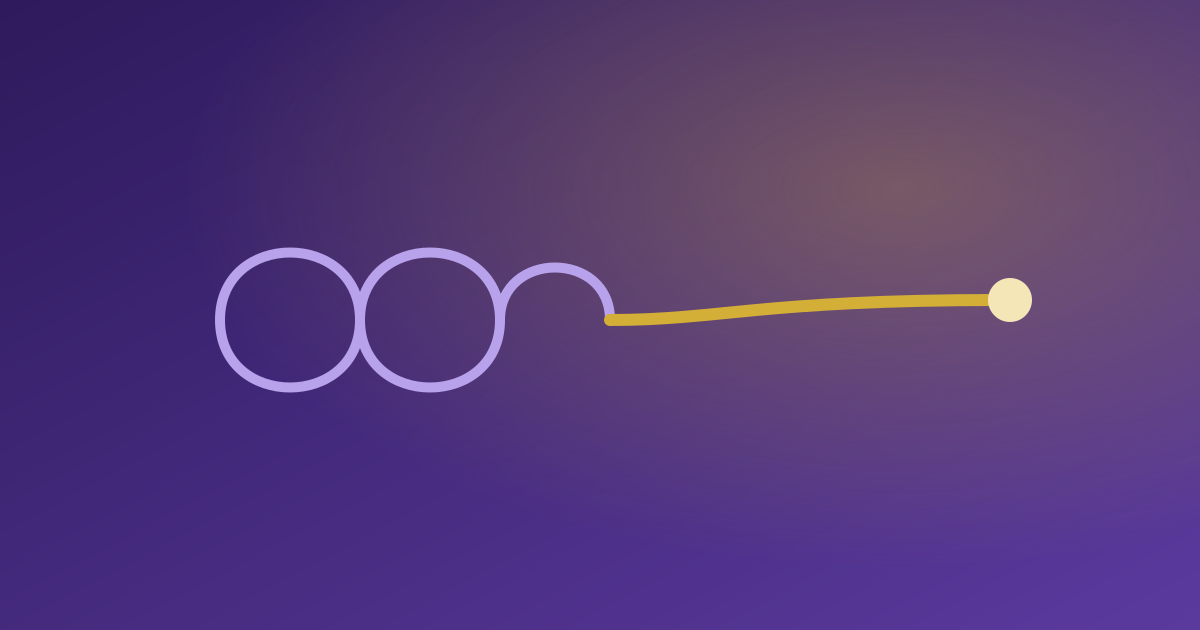
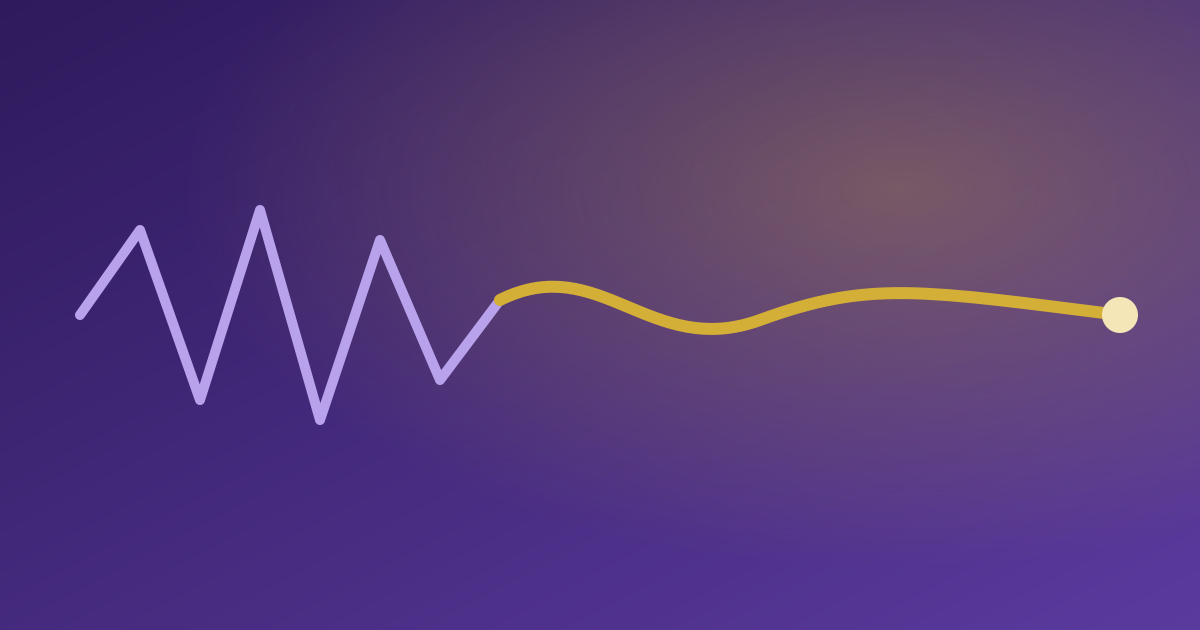
Your nervous system is always adjusting between two broad modes: alert (ready to act, heart a bit faster, muscles tense) and rest (slower breathing, easier digestion, a calmer mind). Both are normal and healthy. Trouble starts when you get stuck in alert mode for long stretches, which many people feel as racing thoughts, a tight chest, poor sleep or snapping at people they love.
Regulation is simply helping your body move back towards rest after stress. It is a skill you practise, not a switch you flip.
7 simple techniques
- Long out-breath. Breathe in through your nose for 4, out slowly for 6 to 8. Repeat for 2 minutes. A longer out-breath helps many people settle.
- 5, 4, 3, 2, 1 grounding. Name 5 things you can see, 4 you can feel, 3 you can hear, 2 you can smell and 1 you can taste. It brings attention back to the room.
- Feet on the floor. Press your feet into the ground and notice the contact for a few breaths. Small, quick and works in a meeting.
- Shake it out. Gently shake your hands, arms and shoulders for 30 seconds. Movement gives the body a way to use up stress energy.
- Cool water. A splash of cool water on your face or holding a cool glass can help you feel more present.
- Orienting. Slowly turn your head and look around the space, letting your eyes rest on things you find pleasant. It tells your body you are safe here.
- A steady wind-down. Same time, same short routine each night. Our guide to sleep and overthinking has a simple version.
Try one or two for a week before adding more. Small and often beats big and rare.
When you notice you are stuck in alert mode
Signs can include a busy mind at night, a short fuse, shallow breathing, jaw or shoulder tension, or reaching for your phone, food or a cigarette without thinking. These are common responses to stress, not personal failings. Our article on how to stop overthinking covers the thinking side.
How hypnotherapy and NLP can support you
In a session, guided relaxation gives your body a chance to practise the shift into rest, and NLP coaching helps you notice the thoughts and triggers that keep the alarm on. You leave with a short practice to use at home. Many people find this helps them feel calmer and more in control. It is support for calmer habits, not medical treatment, and results vary. Read more about how hypnotherapy works for stress and anxiety and our method.
When to get more help
If stress or anxiety is constant, affects your daily life, or comes with low mood, please talk to your GP. If you are in crisis, call Lifeline on 13 11 14 or 000 in an emergency.
Frequently asked questions
What is the fastest way to calm the nervous system?
There is no single fastest way for everyone. Many people find a long, slow out-breath or pressing their feet into the floor helps within a minute or two.
How long does it take to regulate your nervous system?
In the moment, a few minutes of breathing or grounding can help. Building a steadier baseline takes regular practice over weeks.
Can hypnotherapy help with nervous system regulation?
Many people find guided relaxation and hypnotherapy help them practise moving from alert to calm. It works best alongside daily practice. Results vary from person to person.
Our Anxiety and Overthinking Reset is built around these skills. Book a free discovery call to talk it through.